
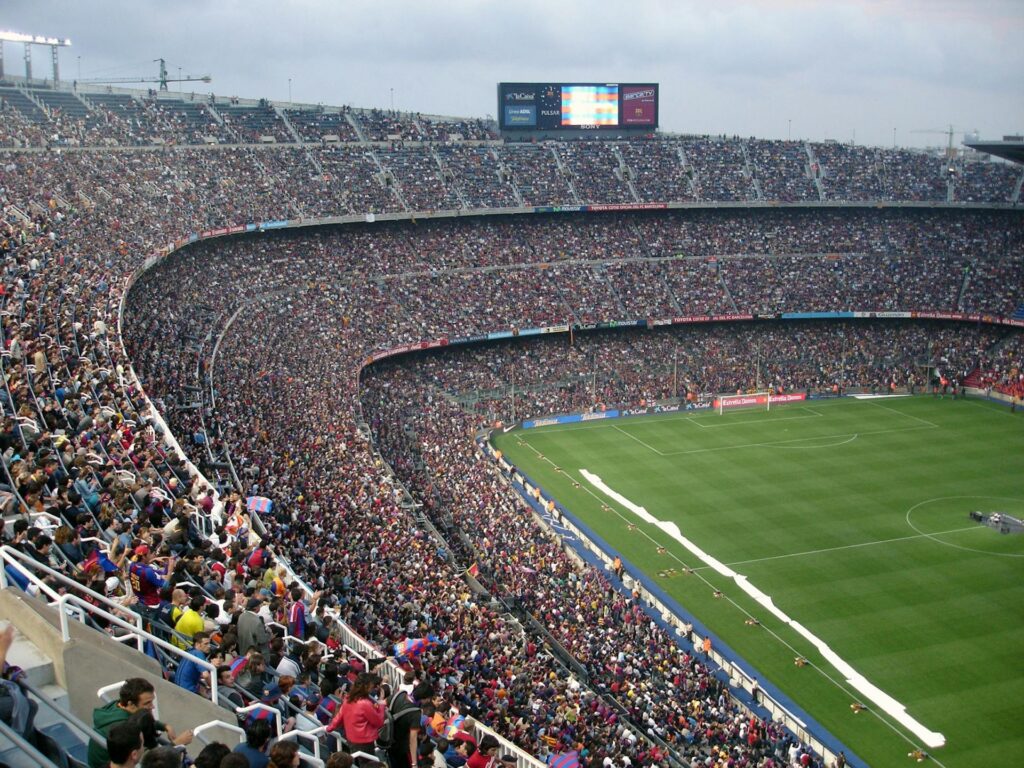
The end of a match doesn’t close the day — it extends it. Anyone who has left a stadium in Spain knows this well: adrenaline is still high, the mind keeps replaying key moments, and the body hasn’t yet shifted into rest mode. That’s why the time after football has become its own small territory, shaped by clear habits and practical decisions. In Barcelona, this is visible every weekend. A group leaves the stadium, discusses the lineup, checks if the metro is crowded, decides whether to continue the night in Sants, Les Corts, or the city center, and each person manages that comedown in their own way. Some opt for a late dinner, others look for a quiet bar, and others turn to their phones to settle the plan quickly, even with direct searches like escort barcelona, following a very familiar logic of timing and proximity.
Not Everyone Wants the Same Thing After the Match
There’s a tired assumption that fans always want to extend the experience as a group. That’s not true. It depends on the result, the time, the journey home, and even the type of match. A dull 0–0 on a Sunday night doesn’t lead to the same plans as a big win on a Saturday afternoon.
The reality is far more varied. Some people need to talk about the match for another half hour, while others want to switch off immediately and clear their heads. This difference explains why post-match leisure has diversified so much in recent years.
The Classic Plan Still Exists, But It’s No Longer the Only One
For a long time, the script was predictable: a nearby bar, a beer, a sandwich, debates about refereeing decisions, and then home. That routine still works, especially in stadium areas where hospitality businesses rely on it. In cities like Seville, Bilbao, Valencia, or Barcelona, many venues make a significant part of their revenue in the two hours after the final whistle.
However, it now coexists with other formats that better fit real life. Among the most common are:
- A quick dinner near the stadium
- A short drink before heading home
- A long walk to calm down
- Meeting at home with friends to watch highlights
- An individual plan arranged via mobile
- A direct return with a brief stop at a local spot
The key point is that there is no longer a single ritual. Fans mix habit, fatigue, and social energy in a more flexible way.
The City Offers Plenty, But the Body Sets Limits
Here’s something often overlooked. Post-match leisure doesn’t depend only on what the city offers — it also depends on exhaustion. Some matches leave fans drained. Between the noise, travel, queues, and tension, many people leave the stadium wanting company, but without the patience for a long or complex plan.
This has changed how people unwind. Simpler, closer, and less structured options are now preferred. There’s no need to build an entire night out to feel that the day still matters. Sometimes, twenty minutes of good conversation, a warm meal, or a short outing is enough to break the rhythm of the match.
Unwinding Has Become More Personal
Not every form of rest involves staying with the group. This is a clear shift. In the past, there was more pressure to stay together out of habit. Today, many people feel free to leave earlier and choose their own way to end the day.
That includes very different options:
- Going to a quiet place instead of a crowded bar
- Walking home to slow down
- Meeting just one person instead of a large group
- Choosing a nearby plan with minimal organization
- Ending the night early to save energy for the next day
Far from diminishing the experience, this freedom makes it more honest. Not everyone needs a celebration. Many just need to step out of match mode.
Unwinding Well Is Now Part of Football
Football doesn’t end when the referee blows the final whistle. It ends when the internal noise fades. And in modern urban life, each person handles that in their own way. Some need to discuss an offside decision for an hour. Others prefer to change their surroundings immediately.
That’s the core idea. Enjoying the time after a match no longer means repeating the same routine. It means finding an option that fits the moment, the body, and the city. When that happens, leisure stops being filler and becomes a natural extension of football itself.